
Theme 4
Climate Sensitive Water Resource management
SDG Alignment


LSDG Alignment




Summary
Water scarcity and climate variability are shaping India’s future. Erratic monsoons, depleting groundwater, and polluted rivers threaten agriculture, industry, and daily survival, especially in water-stressed regions. Sustainable water management offers a way forward by blending traditional wisdom with modern innovation to secure this critical resource. The approach is holistic: restoring watersheds, recharging aquifers, and improving water-use efficiency. Ancient systems are revived alongside precision agriculture and AI-based demand forecasting. Urban wastewater is reused for farming, while check dams reduce erosion and recharge groundwater. Communities lead this change women’s groups monitor village water budgets, and farmers adopt drip irrigation. With over 600 million Indians facing high to extreme water stress, climate change will intensify inequality. Sustainable management reduces conflicts, improves crop yields, and buffers droughts and floods. It supports SDG 6 (Clean Water and Sanitation) and SDG 13 (Climate Action), with schemes like Jal Jeevan Mission and Atal Bhujal Yojana enabling decentralized solutions such as rooftop harvesting and aquifer mapping. Challenges like over-extraction, pollution, and data gaps remain. However, combining policy, technology, and community stewardship can transform outcomes. The initiative began with community awareness and behaviour change, laying the foundation for policy influence and effective service delivery.
From seasonal scarcity To community-led water security
Awareness creation about vector control in collaboration with the
line department.
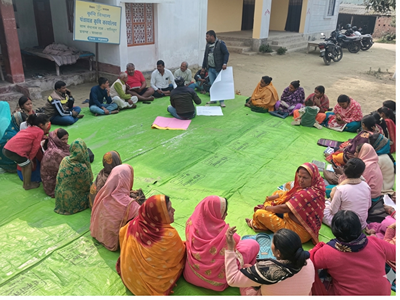
154 people trained on Water Budgeting
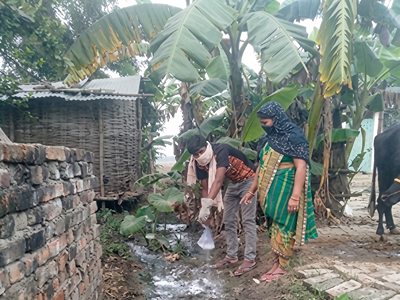
Awareness meetings on bleaching to prevent diseases in flood-prone areas of Bahraich and Begusarai
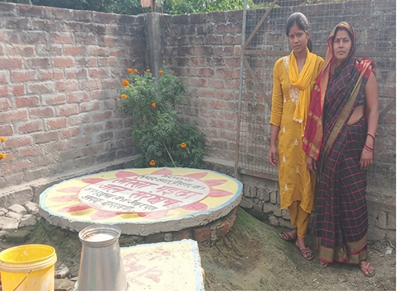
107 Soak Pits constructed for recycling of Grey Water
Awareness generation on benefits of having low cost water
conservation structures.
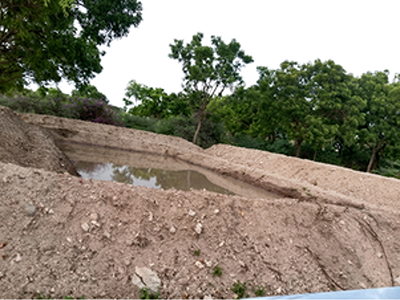
14 Farm Ponds Rejuvenated
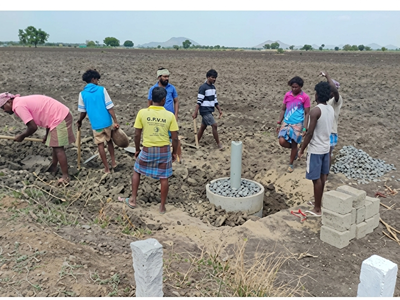
05 Deep Recharge Pits constructed
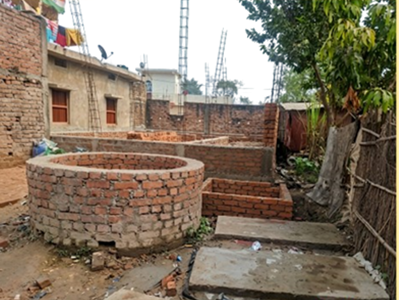
2 Dug wells renovated