Theme 5 : Protect Biodiversity and Adapt Climate Change

Greening the Canals

Case Story 2
Context

In the arid landscapes of Virudhunagar district, Tamil Nadu, climate change was taking a visible toll on agriculture and local ecosystems. Farmers in Kalkurichi Panchayat relied on traditional water canals for irrigation, but years of neglect, soil erosion, and encroaching thorny vegetation had weakened the structures.

These canals no longer retained water effectively, threatening crop production, soil fertility, and biodiversity. The decline of water infrastructure also increased community vulnerability to drought, food insecurity, and unstable livelihoods, creating an urgent need for sustainable, disaster-resilient solutions.
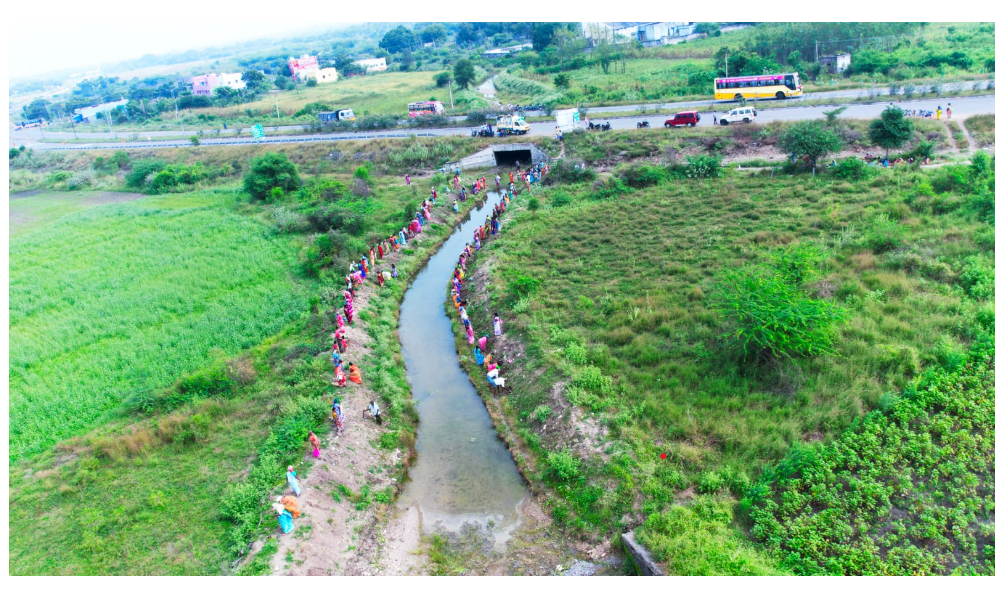
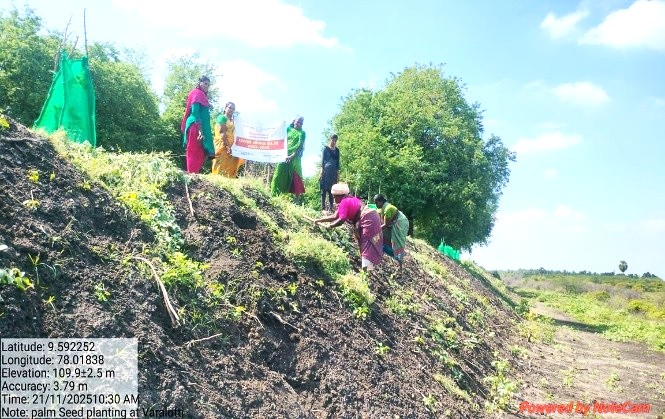
Rejuvenation of Canal in Kalkurichi Panchayat
Challenges
The degradation of canals presented multiple risks including soil erosion, declining agricultural productivity, and exposure to climate shocks.

Farmers faced the dual burden of environmental vulnerability and economic uncertainty, as failing irrigation systems threatened both food security and income.

Without intervention, these challenges could lead to further land degradation, reduced crop yields, and increased dependence on external aid.

The community needed a solution that addressed environmental restoration while also building long-term resilience against climatic and livelihood risks.

Intervention

In response, SEEDS NGO, with support from NABARD, initiated the Palm Tree Seed Planting Project across 25 panchayats in Kariyapatti block. The project adopted a holistic approach to stabilize ecosystems, safeguard livelihoods, and integrate disaster risk reduction into local practices.

The palmyrah palm was chosen for its ecological and economic benefits, including soil stabilization and long-term income potential.

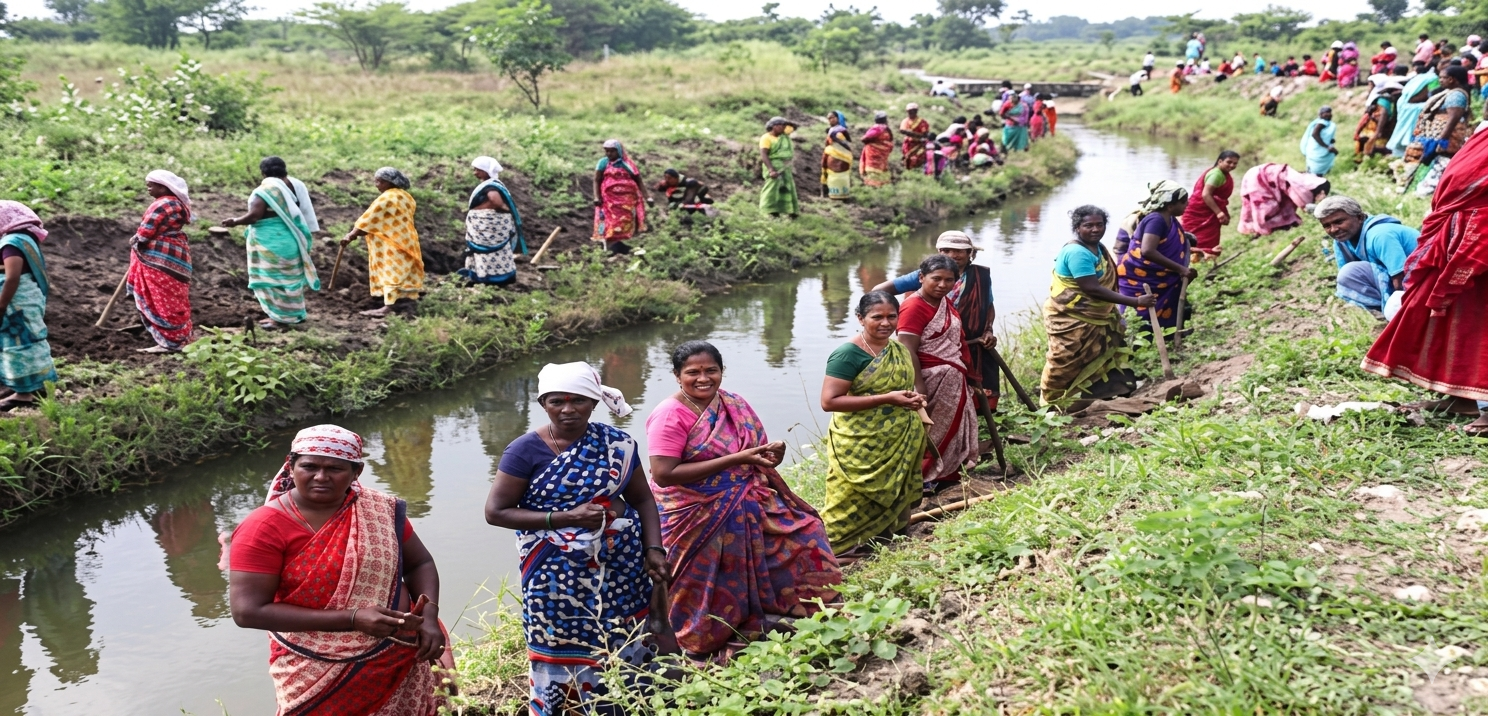
Community participation was central: Village Watershed Committees and volunteers collected over 8,500 seeds, while 220 panchayat members planted them along canal bunds under MGNREGA labor support.

Financial backing of Rs. 2,09,600 covered logistics, labor, and seed collection, illustrating the synergy between community action, government schemes, and external support.

Village Farmers gathered for Palm Sapling plantation.png
Village Farmers gathered for Palm Sapling plantation
Village Farmers gathered for Palm Sapling plantation.png
Impact

The project immediately strengthened community engagement and created visible environmental improvements. As the palm trees mature, they act as natural buffers against soil erosion, improve water retention, and protect agricultural fields.

The Palm Tree Seed Planting Project stands as a model for how communities can transform environmental challenges into sustainable, resilient opportunities for growth.